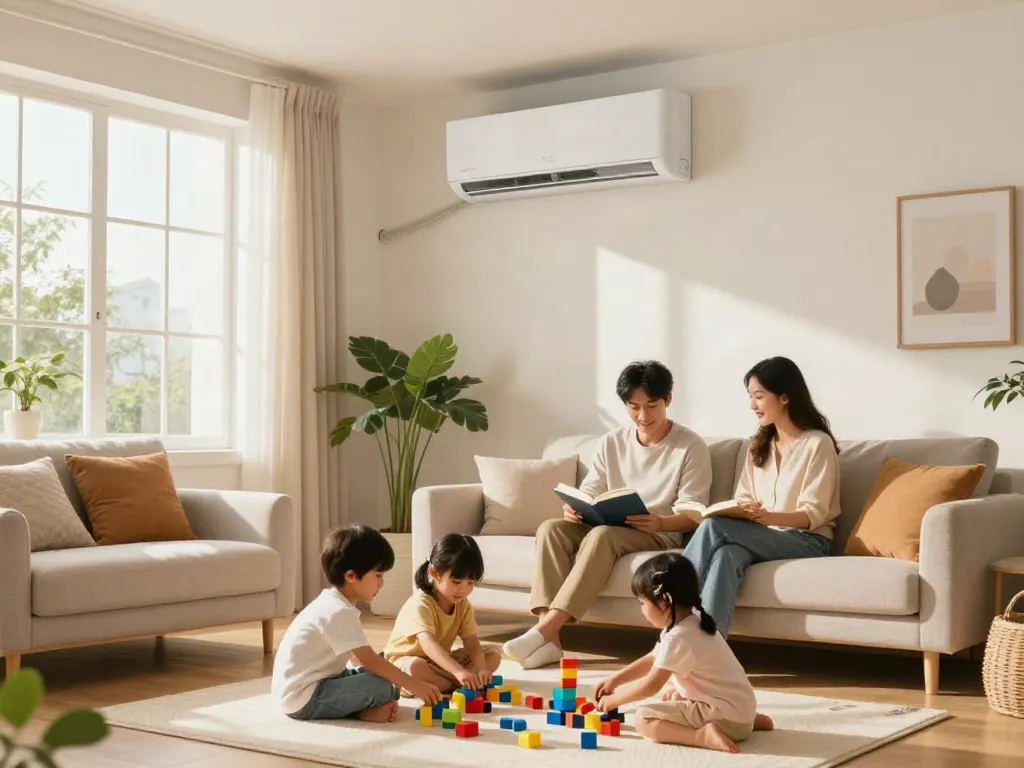
The Basics of Split AC Units
If you’re in the market for efficient cooling solutions, understanding the fundamentals of split AC units can significantly enhance your decision-making process. A split AC unit, often referred to as a ductless air conditioning system, consists of two main components: an outdoor condenser and one or more indoor units. This design not only offers flexibility in installation but also eliminates the need for bulky ductwork, making it a popular choice among homeowners today. When exploring options, split ac unit provides comprehensive insights into various models and their features.
What is a Split AC Unit?
A split AC unit is an air conditioning system that divides its components between two locations: the condenser is usually placed outside the home, while the evaporator or air handler is installed indoors. This separation allows for efficient cooling without the need for ductwork, which is a significant advantage for both installation and maintenance. Modern split AC systems can also provide heating through reversible operation, making them versatile for year-round comfort.
Key Components of a Split AC System
Understanding the key components of a split AC unit is essential for effective troubleshooting and maintenance. The main components include:
- Outdoor Unit: This contains the compressor, condenser coil, and fan. It dissipates heat absorbed from the indoor air.
- Indoor Unit: Comprising the evaporator coil and fan, this unit circulates cool air into the living space.
- Refrigerant Lines: These copper tubes carry the refrigerant between the outdoor and indoor units, facilitating heat exchange.
- Thermostat: Controls the temperature settings, allowing for programmable comfort.
- Drain Line: Removes condensation generated during the cooling process.
How Split AC Units Compare to Traditional Systems
Split AC units differ significantly from traditional HVAC systems. They are generally more energy-efficient, as they do not suffer from energy losses associated with ductwork. Additionally, they operate more quietly than window units and can be individually controlled for each space or zone, leading to better temperature regulation. This flexibility makes them ideal for homes with varying cooling needs across different rooms.
Benefits of Using a Split AC Unit
Choosing a split AC unit can offer several advantages over conventional air conditioning systems. Here are the primary benefits you can expect:
Energy Efficiency and Cost Savings
Split AC units are designed for energy efficiency, which translates into lower energy bills. According to the U.S. Department of Energy, ductless systems can achieve high Seasonal Energy Efficiency Ratio (SEER) ratings, leading to substantial energy savings. Homeowners can expect to save up to 30% on energy costs when switching to a split AC unit compared to traditional central air systems.
Improved Air Quality and Comfort
These systems filter and circulate air, which improves indoor air quality. Many models come with advanced filtration systems that help remove dust, allergens, and other pollutants, providing cleaner air for your family. Additionally, the ability to control the temperature in individual rooms allows for personalized comfort, catering to everyone's preferences.
Quiet Operation for Peaceful Environments
Unlike traditional window or central air systems, split AC units are known for their quiet operation. The indoor units are designed to operate at low noise levels, often as quiet as a library, making them ideal for spaces where noise can be a distraction, such as bedrooms or offices.
Installation and Maintenance Tips
To maximize the lifespan and performance of your split AC unit, proper installation and regular maintenance are crucial. Here are some essential tips:
Preparing Your Space for Installation
Before installation, ensure that the area is adequately prepared. This includes choosing a location for the indoor unit that allows for optimal airflow and accessibility for maintenance. The outdoor unit should be placed in a shaded area to enhance efficiency and should have adequate clearance for airflow.
Common Installation Mistakes to Avoid
Incorrect installation can lead to inefficiencies and increased energy costs. Avoid the following common mistakes:
- Poor placement of the indoor unit, which can hinder air circulation.
- Inadequate sealing of refrigerant lines, leading to leaks.
- Neglecting to level the outdoor unit, which can affect operation.
Routine Maintenance to Extend Lifespan
Regular maintenance is vital to extend the lifespan of your split AC unit. This includes:
- Cleaning or replacing filters every few months.
- Checking for refrigerant leaks and ensuring proper refrigerant levels.
- Scheduling professional maintenance once a year for thorough inspection and servicing.
Choosing the Right Split AC Unit
When it comes to selecting a split AC unit, several factors should be considered to ensure you are making the right choice for your home:
Determining the Right BTU Capacity
BTU (British Thermal Unit) capacity is crucial in determining how effectively the system will cool your space. A unit that is too small will struggle to cool the area, while one that is too large will cycle on and off frequently, reducing efficiency. Use the following guidelines to estimate the required BTUs:
- Small rooms (up to 200 sq. ft.): 5,000 - 6,000 BTUs
- Medium rooms (200-400 sq. ft.): 7,000 - 10,000 BTUs
- Large rooms (400-600 sq. ft.): 10,000 - 14,000 BTUs
Factors to Consider When Selecting a Model
In addition to BTU capacity, consider the following when choosing a split AC model:
- Energy efficiency ratings (look for ENERGY STAR certified models).
- Noise levels (measured in decibels or dB).
- Smart features such as programmable thermostats or Wi-Fi connectivity.
- Warranty and service options provided by the manufacturer.
Comparative Insights from Top Brands in 2026
As of 2026, several brands have established themselves as leaders in the split AC unit market. Brands like Mitsubishi, Daikin, and LG consistently receive high marks for reliability, efficiency, and advanced technology features. Researching reviews and comparisons can provide valuable insights into the best options for your specific needs.
Future Trends in Split AC Technology
The air conditioning industry continues to innovate, with trends emerging that enhance efficiency and user experience. Here are some future trends to watch:
Advancements in Energy Efficiency Standards
Manufacturers are continuously improving energy efficiency standards to meet evolving regulations and consumer demands. Expect to see models that surpass current efficiency benchmarks, further decreasing energy consumption and costs.
The Rise of Smart AC Technology
Smart technology integration is becoming increasingly common in split AC units, allowing homeowners to control their systems via smartphones or smart home systems. Features such as geofencing, which adjusts the temperature based on occupancy, and energy usage reports are gaining popularity.
Increasing Popularity of Eco-Friendly Refrigerants
In response to environmental concerns, manufacturers are shifting towards eco-friendly refrigerants that minimize greenhouse gas emissions. Look for models using refrigerants like R-32, which has a lower global warming potential compared to traditional options.
What are the average costs associated with split AC units?
The average cost of purchasing and installing a split AC unit varies widely based on capacity, brand, and installation circumstances. A standard unit can range from $1,500 to $4,000, including installation. However, initial costs should be weighed against long-term energy savings and efficiency benefits.
How do you troubleshoot common issues with split AC units?
Common issues like inadequate cooling or unusual noises can often be resolved through basic troubleshooting. Check the air filters for clogs, ensure that the outdoor unit is free from obstructions, and verify that the thermostat settings are correct. For complex issues, professional assistance is recommended.
What size split AC unit do I need for my home?
Determining the correct size for your space is crucial. A unit that is too small will not cool effectively, while a unit that is too large will lead to energy inefficiencies. Performing a load calculation based on the area, ceiling height, and insulation can help you find the right fit.
Are split AC units suitable for all climates?
Split AC units are versatile and can work in most climates, but their efficiency may be impacted in extreme conditions. In regions with exceptionally high temperatures, it’s crucial to choose a model designed to handle such heat, along with appropriate insulation for the home.
What maintenance should I perform on my split AC unit?
Maintenance for split AC units includes regular filter replacement, cleaning the outdoor unit to remove debris, checking ductwork for leaks, and ensuring proper refrigerant levels. Annual professional tune-ups are also recommended to keep the unit running efficiently.